U.S. Patent 12,297,608 · EU PATENT 4549661UP · Made in USA

Engineered
for Safety.
Built for Peace of Mind.

For years, contractors have covered core-drilled daylighting holes with a "grad cap" — a small steel plate with a welded pipe stub, held in place by its own weight alone. A tire, a vandal, or a passing pedestrian is all it takes to dislodge it. Core Cap™ is mechanically locked to the pavement with 1,300 lbs of uplift resistance. Safer for the installer who handles it. Safer for the driver, the pedestrian, and the kid on the bike.
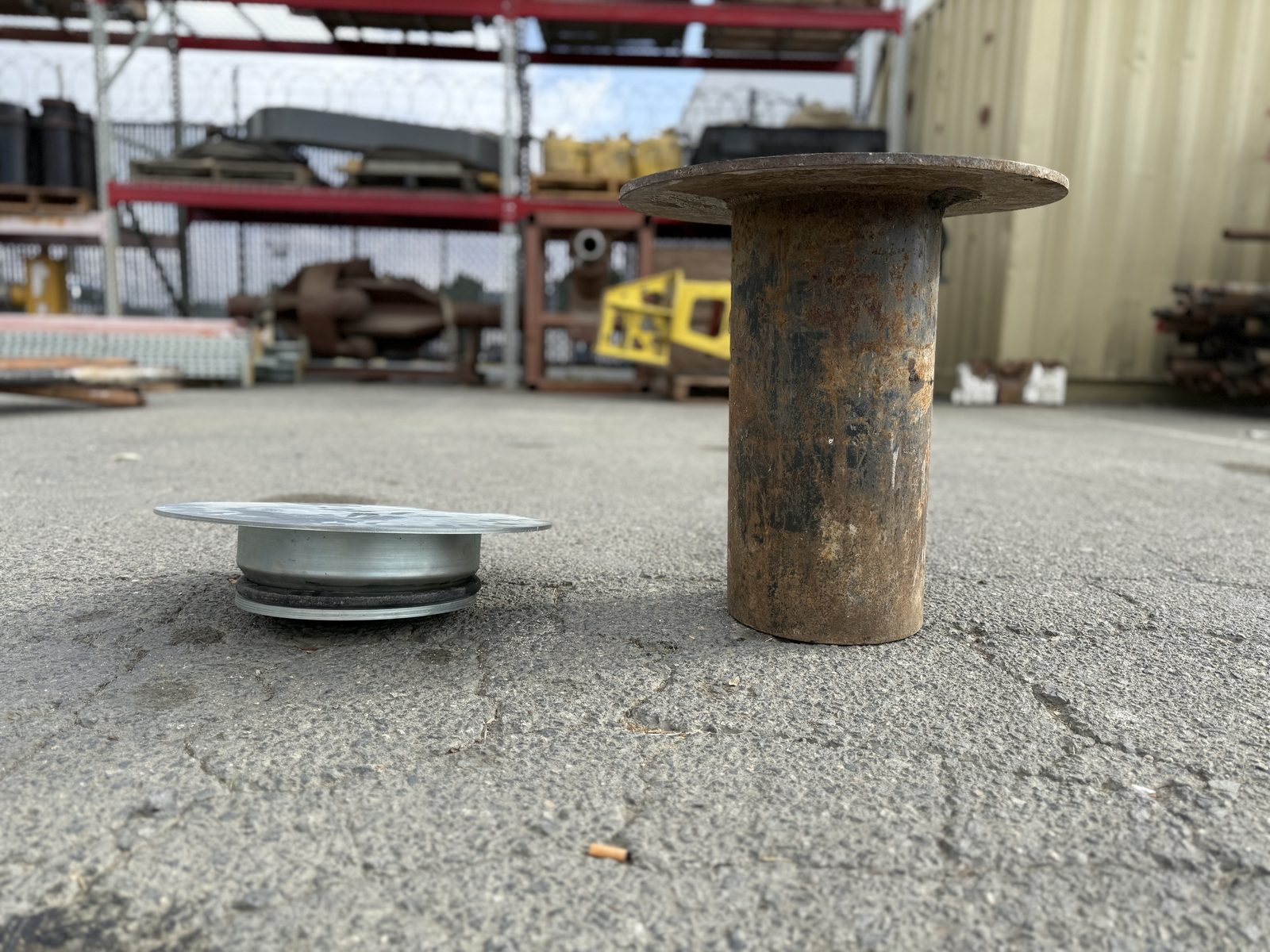
Core Cap shown side-by-side with traditional grad cap, both sitting on pavement
Core Cap 1,300 lbs · Locked
Grad Cap ~50 lbs · Gravity Only
The Industry Traded Safety for Convenience.

A traditional 2′ × 2′ daylighting hole calls for a recess plate — a heavy, properly-engineered cover set flush in the pavement, often requiring an excavator or skid steer to place and remove. It's safe. It's also expensive, slow, and a hassle to mobilize on every pothole. So the industry built a workaround: cut a smaller core hole and drop a smaller "grad cap" on top. Cheaper. Faster. Lighter. And never engineered to stay put.

The result has been decades of unsecured steel plates sitting in public roads — held in place by nothing but gravity. We have the video evidence of what happens when one pops out. And when it does, the next vehicle through could be carrying somebody's family.

01 / THE FAILURE MODE

Held in by Gravity Alone

The grad cap is a small steel plate with a welded pipe stub. Nothing mechanically holds it in place — gravity does. Tire compression, vehicle uplift, vandalism, even a curious kid can pull it out of the ground in seconds.

02 / THE REAL COST

It Only Takes One

One dislodged plate. One vehicle strike. One injury. The grad cap's failure mode isn't an inconvenience — it's a public safety risk every time one is left in the road. We have video of it happening. So does every contractor who's been in the trade long enough.

03 / THE BACKFILL TRAP

Pipe Stub Blocks the Pour

The 10–18″ pipe stub physically prevents slurry backfill from reaching grade. Crews are stuck between failed inspections or pulling the cover entirely and leaving the hole open. The workaround creates a new problem on top of the safety one.

The Core Cap Answer

Core Cap gives the industry the convenience of the small-plate approach — same footprint, single-person handling, no heavy equipment — with the safety that should have been built into it from the start. Locked in. Engineered. Accountable. The compromise is over.

Slurry to Grade. Locked in Place.

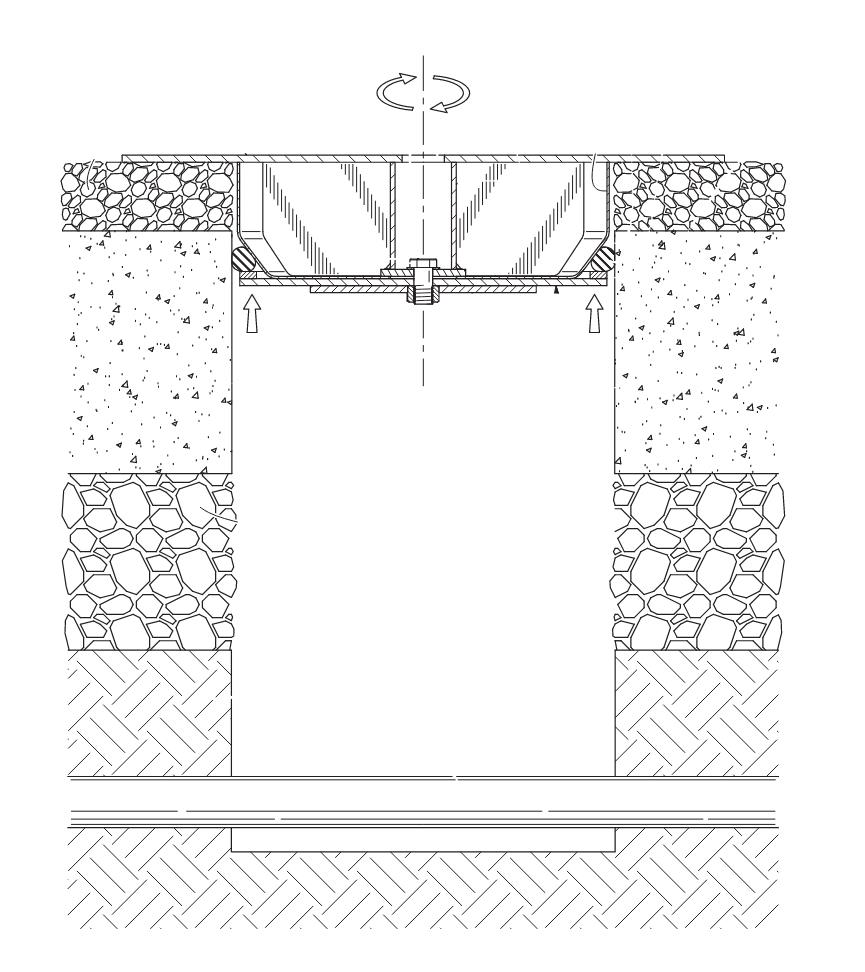
Cities and utilities typically require core holes to be patched back to equal pavement thickness plus 1″. Grad caps make that impossible — their fixed 10–18″ pipe stub blocks slurry placement above the bottom of the pipe. Core Cap locks to the pavement section itself, leaving the entire bore hole clear for backfill up to spec.

CROSS-SECTION
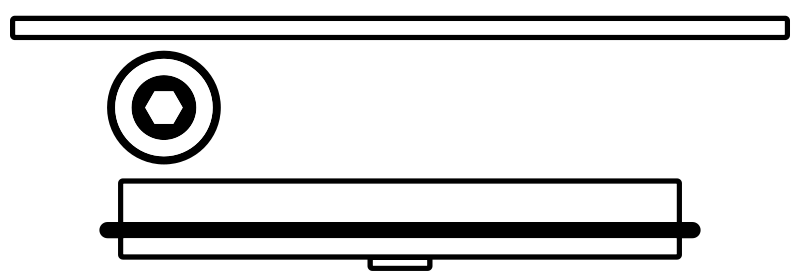
Engineering cross-section showing Core Cap's expansion mechanism gripping the pavement, with the entire bore hole below remaining open for slurry backfill
Grad Cap
Pipe blocks the pour
10–18″ pipe stub prevents slurry from reaching grade. Backfill fails inspection or the cover gets pulled — leaving an open hole.
Core Cap
Backfill to spec
Locks to pavement, not the bore. Slurry pours all the way to grade — overnight cure with the cover still secured against traffic.
WHY THIS MATTERS

One Product. Every Pavement Section.

Pavement thickness varies job to job — and within a single bore. With grad caps, contractors have to match the pipe length to the pavement section, and often can't. Core Cap doesn't care how thick the pavement is. The mechanical lock engages the asphalt or concrete itself, so the same cap works in every section.

That means crews can backfill in a single pour, walk away with the cover still locked, and meet typical municipal patch-back specs without the rework cycle.

+1″
Typical city patch-back
ONE
Cap fits every pavement

Built to Hold. Verified Under Load.

Core Cap™ is secured to the core hole by a patented expanding O-ring tightened with a standard 11/16″ socket. Once set, the O-ring provides a full 360° of contact pressure against the core wall — locking the cap below the surface and resisting the uplift forces that defeat traditional plates.

Uplift Resistance
1,300
lbs verified
Tested to direct upward force without movement or release.
Cap Weight
25
lbs each
Single-person handling. No two-man lifts, no back-strain claims.
Surface Profile
¼
top plate
Sits within the ADA / Title 24 threshold for surface changes in pedestrian right-of-way — a fraction of grad cap pipe-stub height.
Pick Point
integrated lift
The center bolt hole doubles as a pick point for safe one-handed removal — no pry bars, no pinch points.
Installation
<60
seconds
Install flush, tighten to 80 ft-lbs with an 11/16″ socket. Done.
Service Life
rebuildable
Replaceable O-ring seals and hardware. A worn cap gets rebuilt, not replaced.
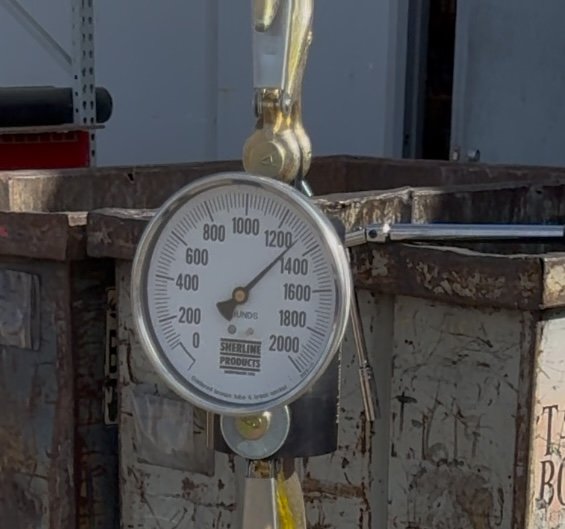
Dynamometer gauge showing 1,300 lbs uplift force during Core Cap pull test
Verified at 1,300 lbs
Calibrated dynamometer reading during direct uplift test on installed Core Cap. No movement, no release.
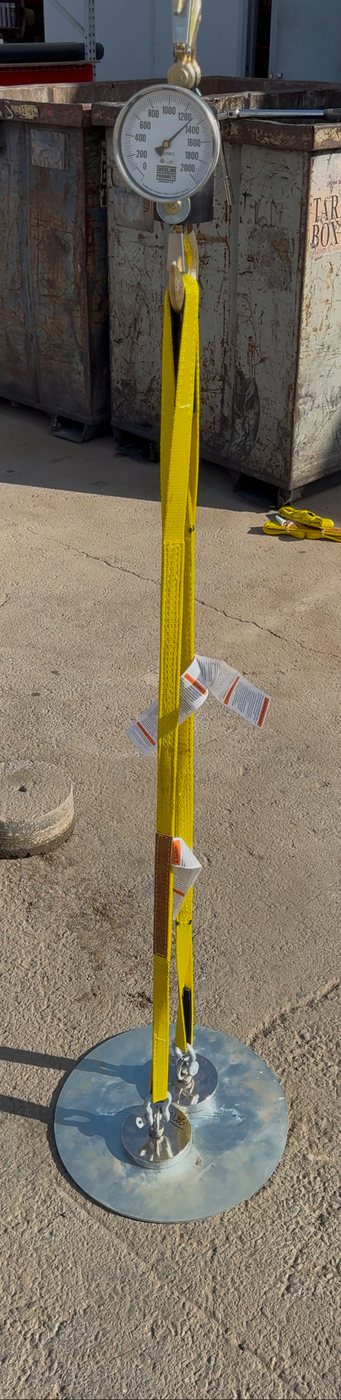
Core Cap installed in pavement under direct uplift test — gauge, strap, and core sample visible
Test Setup
Calibrated load gauge applied through strap directly to the installed Core Cap. Core sample shown alongside.

Three Steps. One Tool. Sixty Seconds.

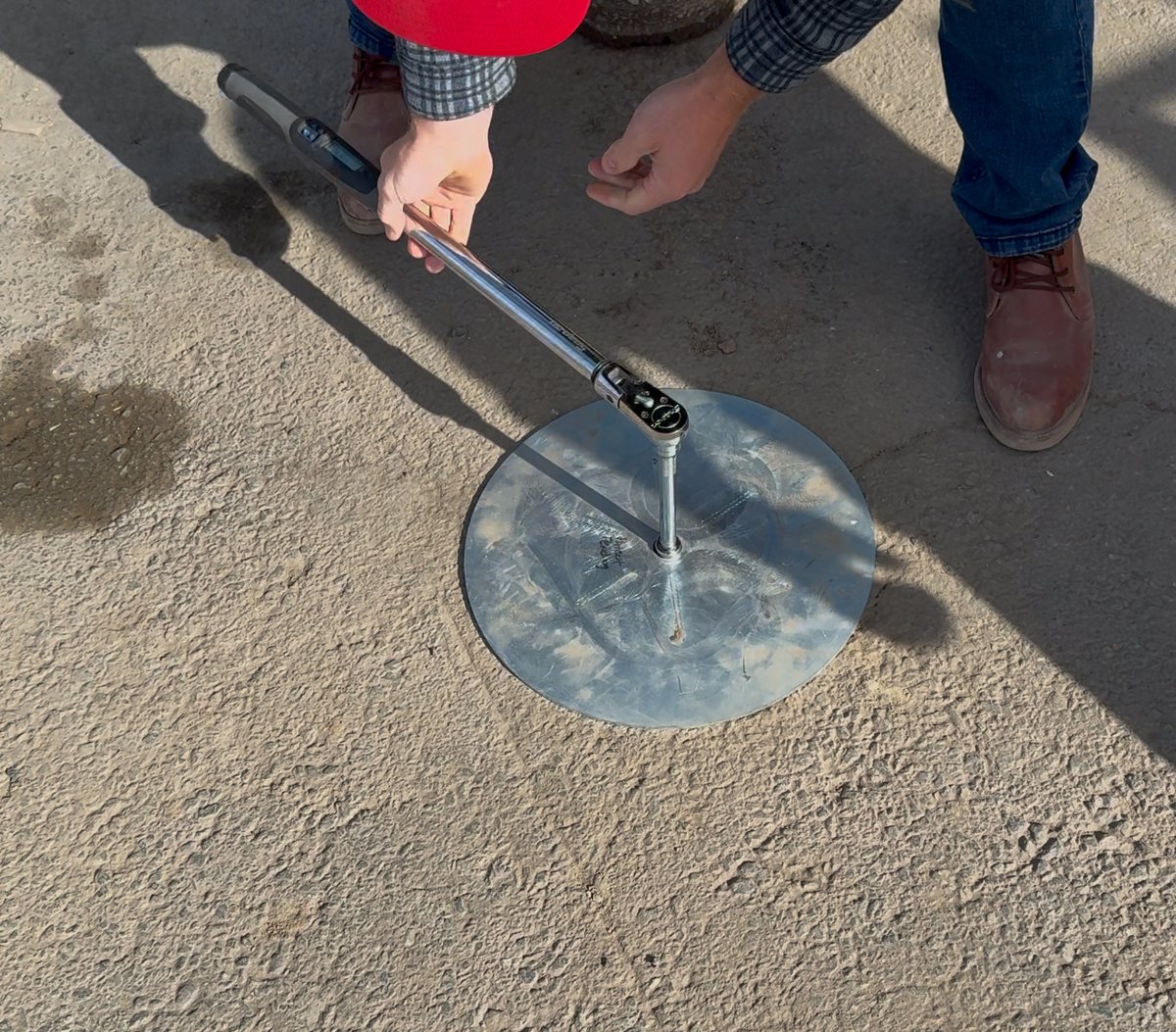
Crew member installing Core Cap with a torque wrench
01

Set Flush

Drop the Core Cap into the cored hole. Position flush with the surrounding surface — no excavation, shimming, or surface prep required.

~10 seconds
02

Tighten

Using a standard 11/16″ socket, tighten the center bolt to 80 ft-lbs. The patented expanding O-ring grips the full circumference of the core hole.

~30 seconds
03

Walk Away

The cap is locked in place. It resists 1,300 lbs of uplift, won't migrate under traffic, and won't walk off the jobsite overnight. Remove with the same socket.

~20 seconds

Built for the Jobs Where Plates Fail.

Horizontal Directional Drilling

Keep daylighting potholes open and visible to the drill crew for the full duration of the bore. No surface migration. No re-cores.

Gov. Code 4216 Daylighting

Comply with California's positive-identification requirements without leaving an unsecured plate in the right-of-way overnight.

Hydro-Excavation & Potholing

Cover core holes between shift cycles, weekends, and multi-day inspection windows with a cover that won't release under traffic.

Survey & Inspection

Decouple your crews. Survey teams can return on their own schedule to verify utility position and depth without a pothole crew on standby. One socket, one cap removal, one re-secure — and back to work.

Gas, Electric, Telecom, Water

Engineered documentation and field test results available on request for utility, municipal, and contractor evaluation.

Safety Is the Mission.
Peace of Mind Is the Product.

No business owner should lie awake at night worried about the call — the call that a grad cap came out of the ground, that a vehicle hit it, that someone got hurt.

Core Cap was built for the installer who handles it, the worker who walks past it, the driver who rolls over it, and the kid who rides by on a bike. Every design decision — the mechanical lock, the flush profile, the tool-required removal, the serialized traceability — exists to make daylighting safer than it has ever been. For the contractor doing the work. For the public sharing the road. For the owner sleeping at night.

For Installers

25 lbs each — about half the weight of a traditional plate. Single-tool install. No two-person lifts, no pinched fingers, no back strain from muscling a 60 lb assembly into position.

For the Public

Mechanically locked to the pavement. Can't be tampered with by hand. Won't migrate under traffic. The next vehicle, pedestrian, or cyclist is safer because the cap stays put.

For the Owner

No 2 a.m. phone call. No incident report. No insurance claim. The cap you put in the road this morning is still where you left it tomorrow, and the day after that.

500+ Units in the Field.
Zero Incidents.

Core Cap was field-tested at the intersection of Pioneer Blvd and Arlee Avenue in Santa Fe Springs, California — under live municipal traffic for four weeks. No migration, no release, no surface intrusion. Today, over 500 Core Caps are deployed across active jobsites. No incidents reported. No callbacks. No 2 a.m. phone calls.

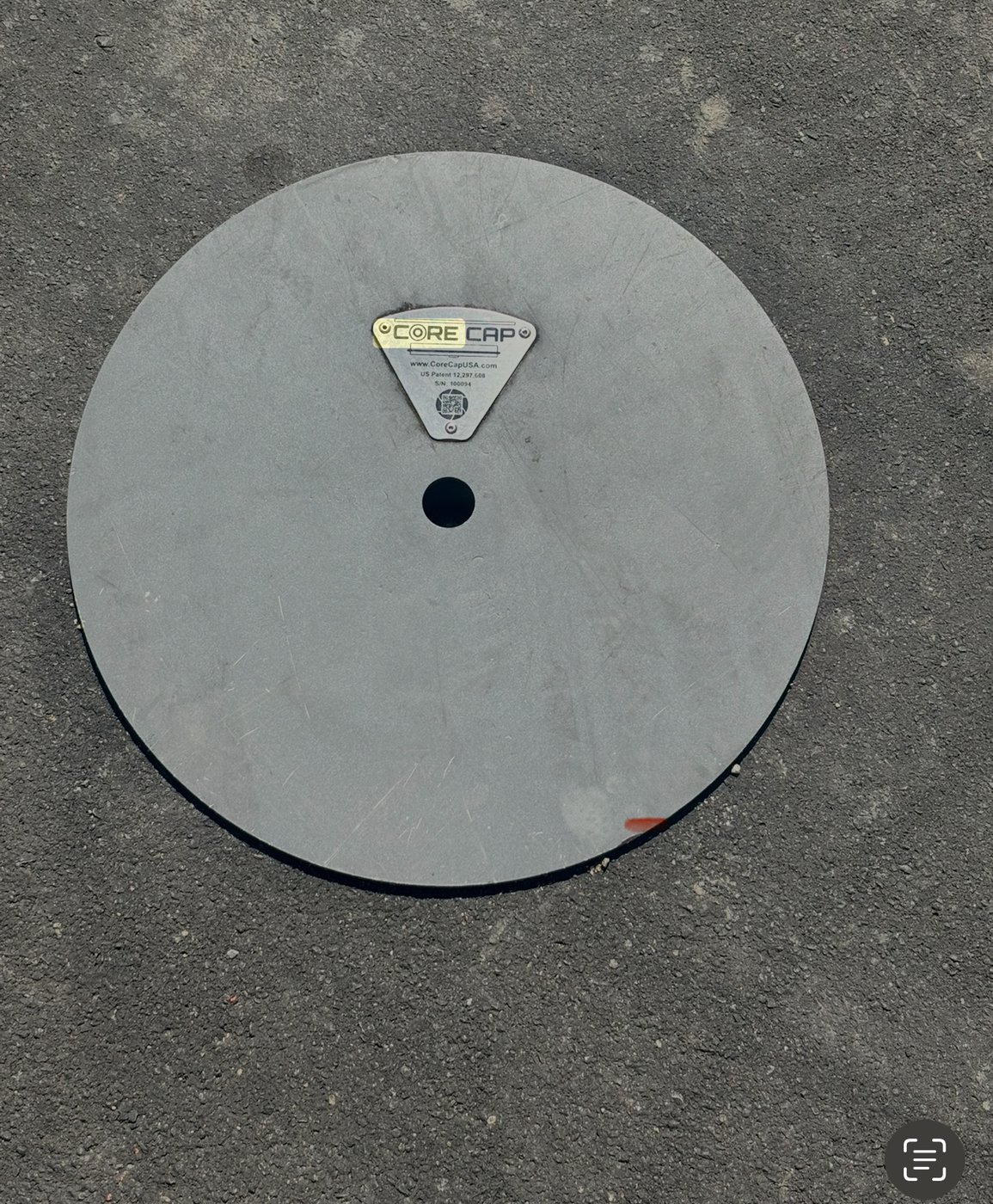
Every Core Cap is individually serialized and laser-marked with the U.S. patent number and a QR code. Each unit has its own identity, its own paper trail, and its own place in the field. This isn't a steel plate. It's an engineered product, manufactured to a standard the category has never had.

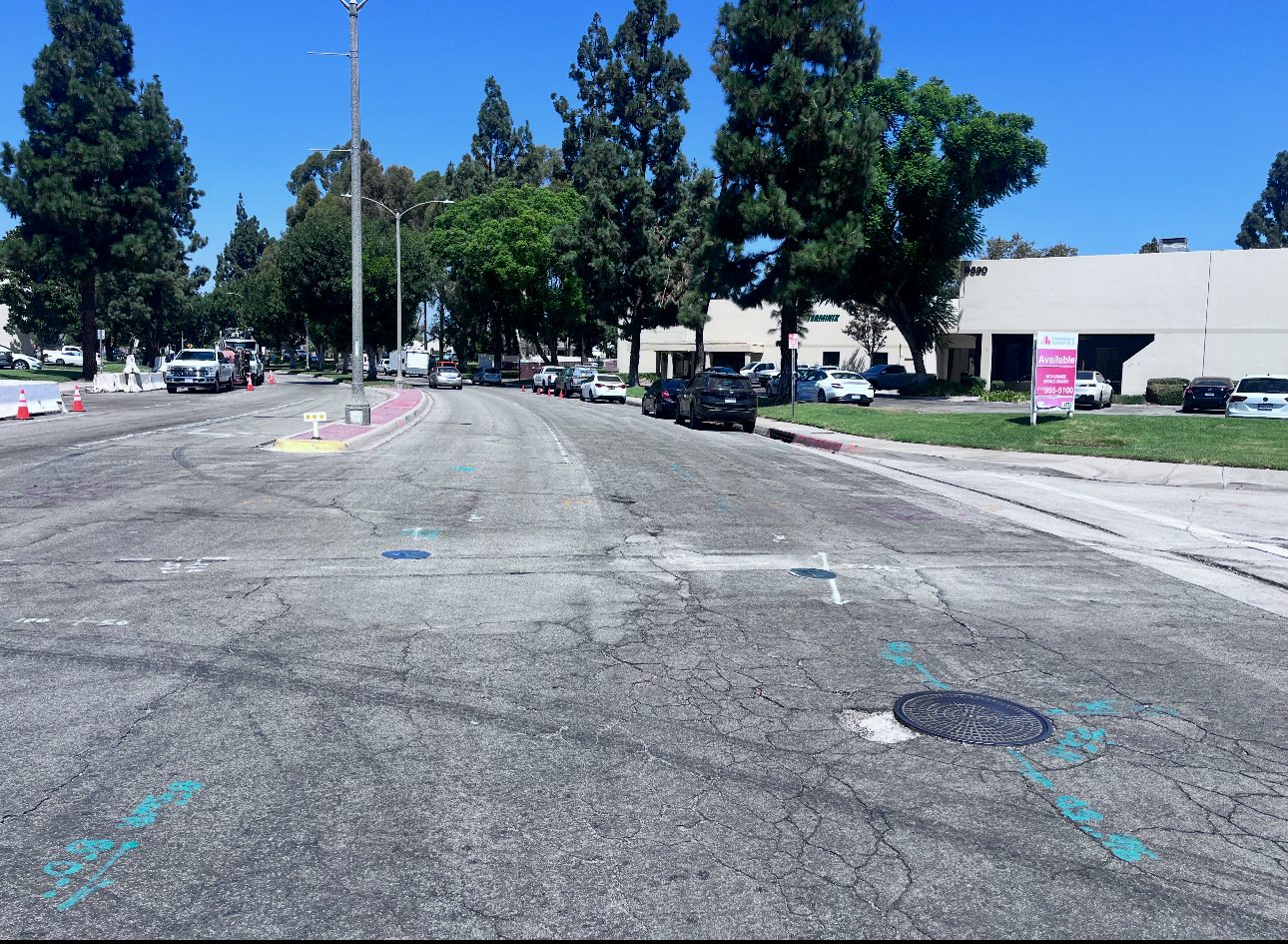
Core Cap installed flush in active roadway with utility locator markings
Live deployment — Santa Fe Springs, CA
Top-down view of Core Cap installed flush in pavement, showing branded ID tag with patent number and serial number
Each unit serialized · patent & QR-marked
500+
Units in active service
0
Incidents reported
0
Callbacks
MADE IN
USA
Southern California

Match Your Spec. Match Your Brand.

Core Cap is available in custom colors for utility identity matching, contractor branding, or high-visibility applications. Contact sales for color options and lead times.

A Cap You Rebuild.
Not One You Replace.

Core Cap is engineered as a long-term capital asset, not a consumable. The O-ring seals and bolt hardware are field-replaceable with standard parts. A worn cap goes back into service the same day it would have gone in the dumpster.

Replaceable Seals

Standard O-ring sealing surface. Inspect, replace, return to service. No special tooling, no rebuild kits — common shop parts.

Replaceable Hardware

Center bolt and threaded fittings can be swapped if damaged. The cap body is built to outlive multiple bolt cycles.

Integrated Pick Point

Center bolt hole doubles as a lift point. Removal with one hand and a hook — no pry bars, no pinch points, no help required.

Total Cost of Ownership

Rebuilds extend service life across dozens of installations. Lower lifetime cost than disposable plate-and-stub assemblies.

Five Years.
One Mission.

Core Cap didn't start in a lab. It started on a jobsite, with a contractor watching grad caps come loose and asking why nobody had built a better one.

The answer turned out to be harder than expected. The first prototypes didn't hold. Neither did the second, or the third. Over the course of five years, dozens of iterations went through the shop, into the ground, and back to the drawing board. Different geometries. Different engagement mechanisms. Different materials. Each one tested in real pavement, under real traffic, until a design finally proved itself.

That design is now Core Cap. It carries a U.S. patent, with European protection granted and pending validation. It's been verified to 1,300 lbs of uplift resistance. And today, more than 500 units are in service across active jobsites — every one of them still where the crew put it.

We took the long road because the short road wasn't safe. Now the industry doesn't have to compromise either.

Built by a Contractor,
for Contractors.

Core Cap was developed by a working contractor after five years of watching grad caps fail in the field. Every unit is engineered, tested, and manufactured in Southern California. Tell us what you need and we'll get back to you personally.

Manufacturing
Southern California, USA